
What is Micromobility?
Micromobility vehicles are small, lightweight personal transportation devices that typically do not exceed 30 mph.
Examples:
- Non-motorized vehicles:
- Bicycles
- Electric-powered devices:
- E-Bikes
- E-Scooters
- Electric Skateboards
- Electric Unicycles
- Other similar personal micromobility devices (e.g., Orbit Wheels, Hoverboards)
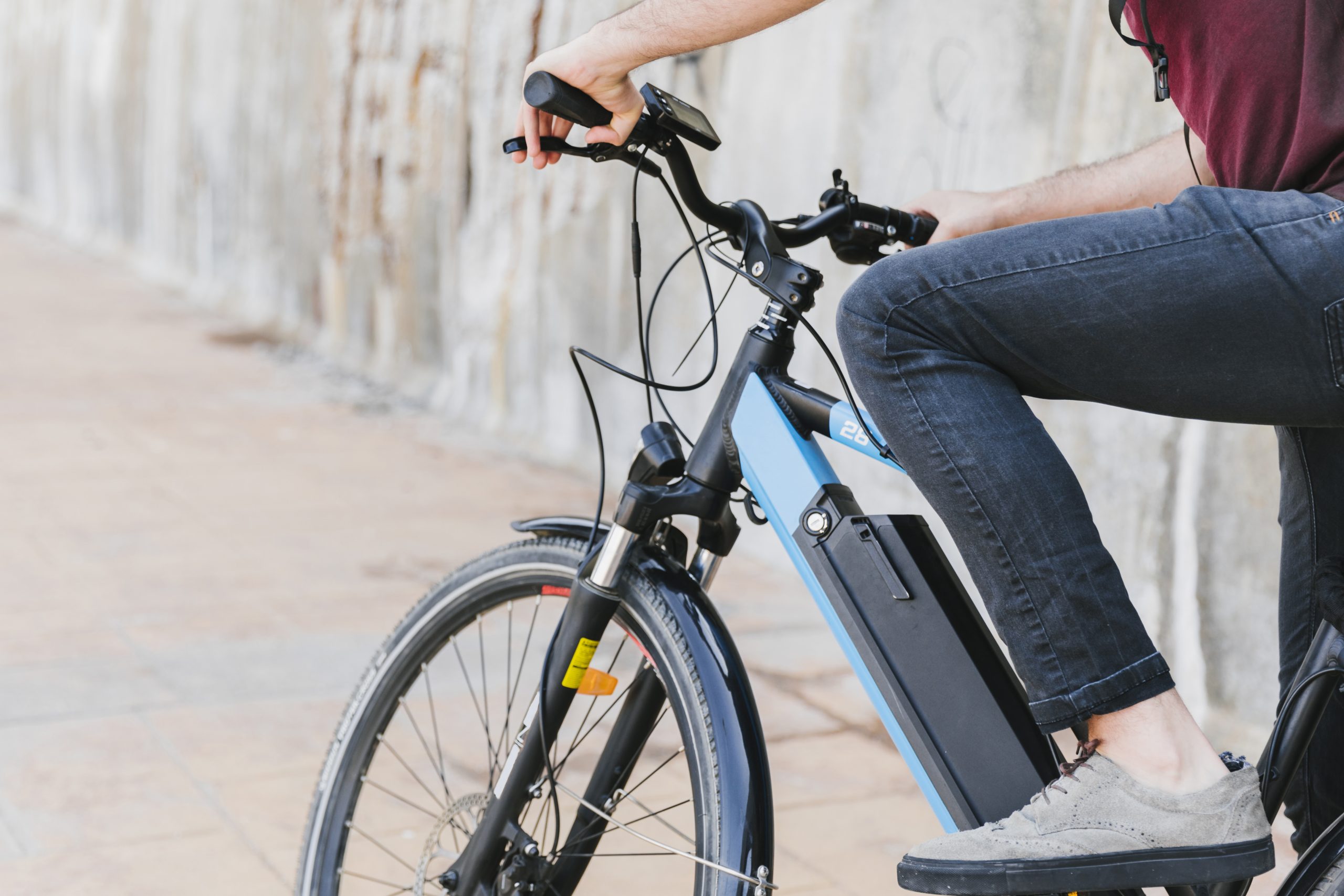
What are they?
Per the U.S. Department of Transportation, micromobility devices are generally:- Small, low-speed vehicles powered by human effort or electricity.
- Bicycles, scooters, and similar wheeled devices are the most common.
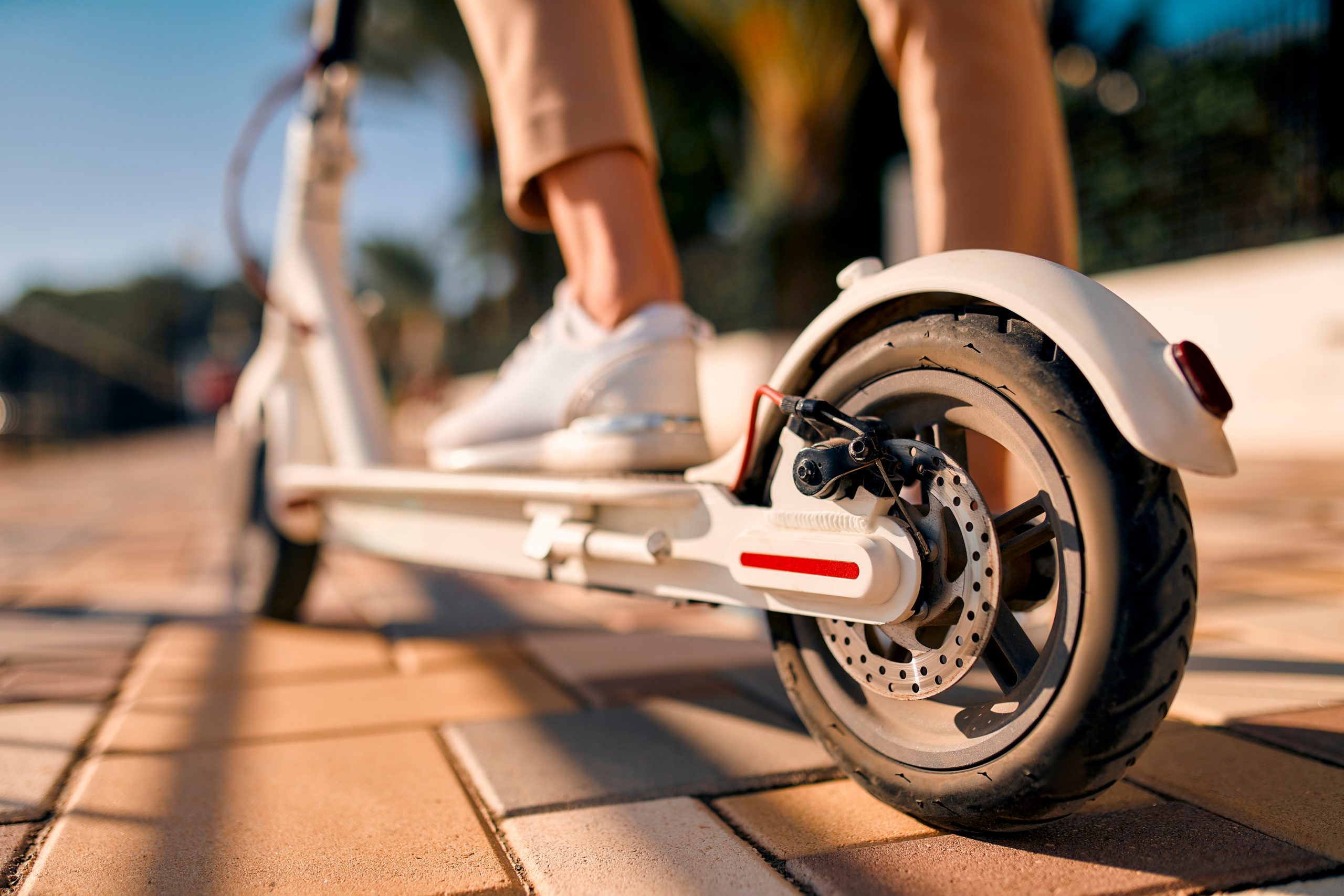
Criteria for Powered Micromobility:
- Maximum speed: Under 30 MPH
- Maximum weight: Under 500 pounds
- Utilizes self-propulsion
*Per the Society of Automotive Engineers (SAE)
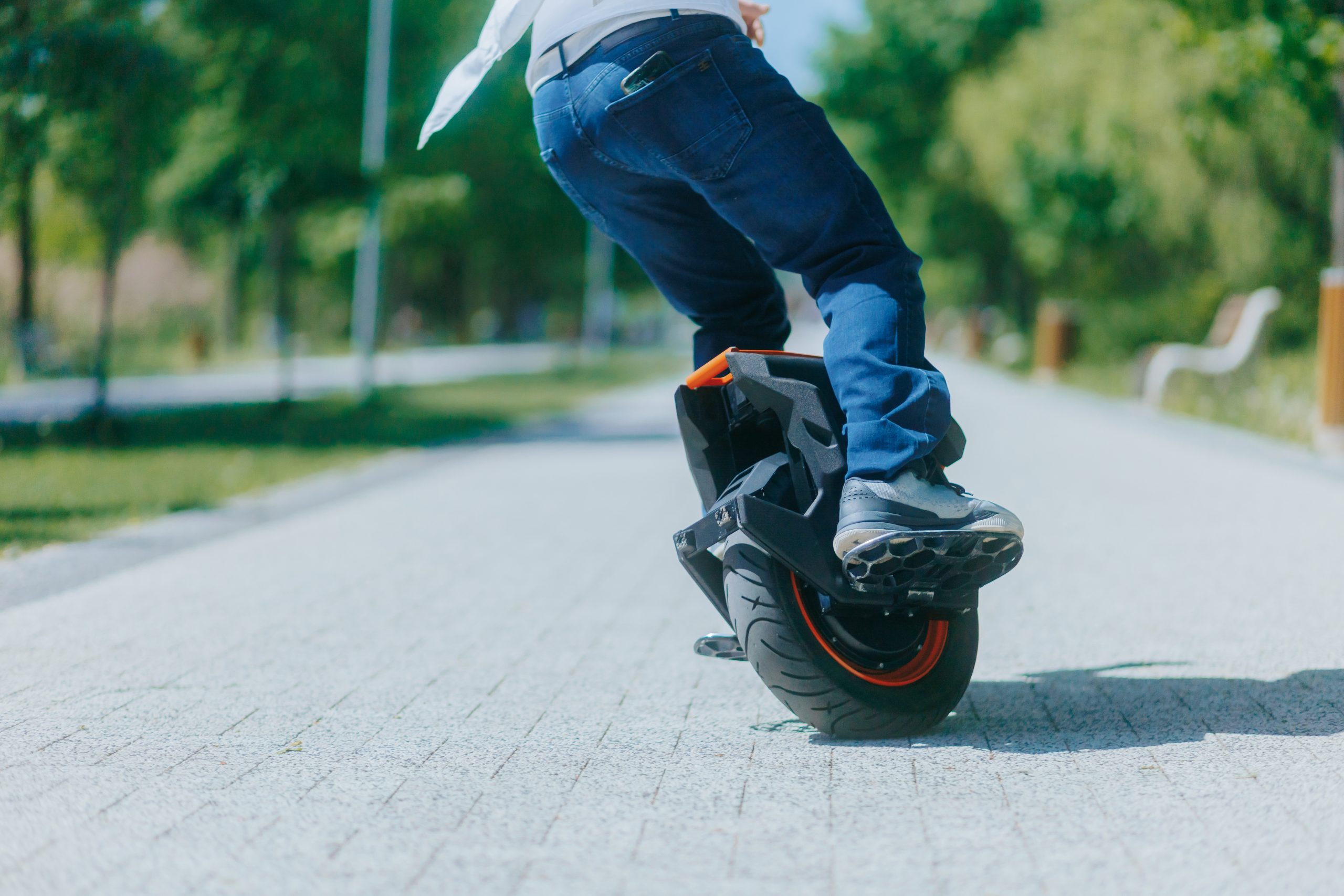
InfoExclusions:
Non-motorized skateboards
Electric Personal Assistance Mobility Devices (EPAMDs)
Micromobility Resources
Additional information regarding micromobility, including registration information, parking & charging, use of micromobility on campus, micromobility parking violations, and more.
Micromobility Hazards: Thermal Runaway Risk
Lithium-ion batteries are efficient but present significant fire and explosion hazards when damaged or improperly used.
A failure condition known as thermal runaway can occur, causing:
- Rapid temperature increases exceeding 300°C (572°F)
- Potential fire, explosion, and/or release of toxic gases
Micromobility Best Practices
EHS strongly recommends all that micromobility devices be used in accordance with what is considered to be best practice. These actions can reduce safety risks associated with the use of micromobility devices.
Proper Use
- Follow all manufacturers instructions
- Use only original, manufacturer-approved chargers
- Do not modify batteries, chargers, or devices
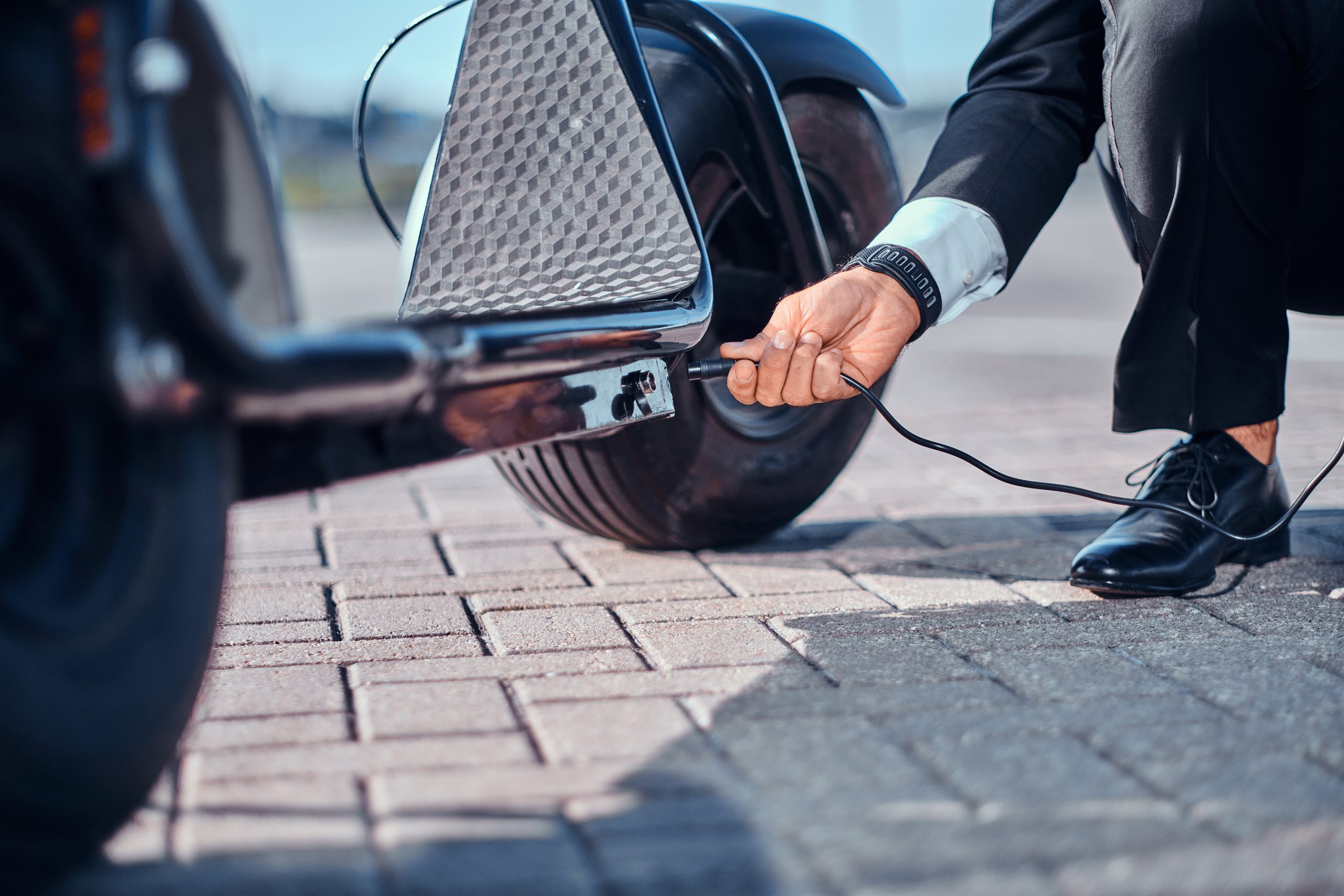
Environmental Conditions
Avoid charging in direct sunlight or extreme heat; this can increase the risk of overheating and battery failure.

Inspection and Maintenance
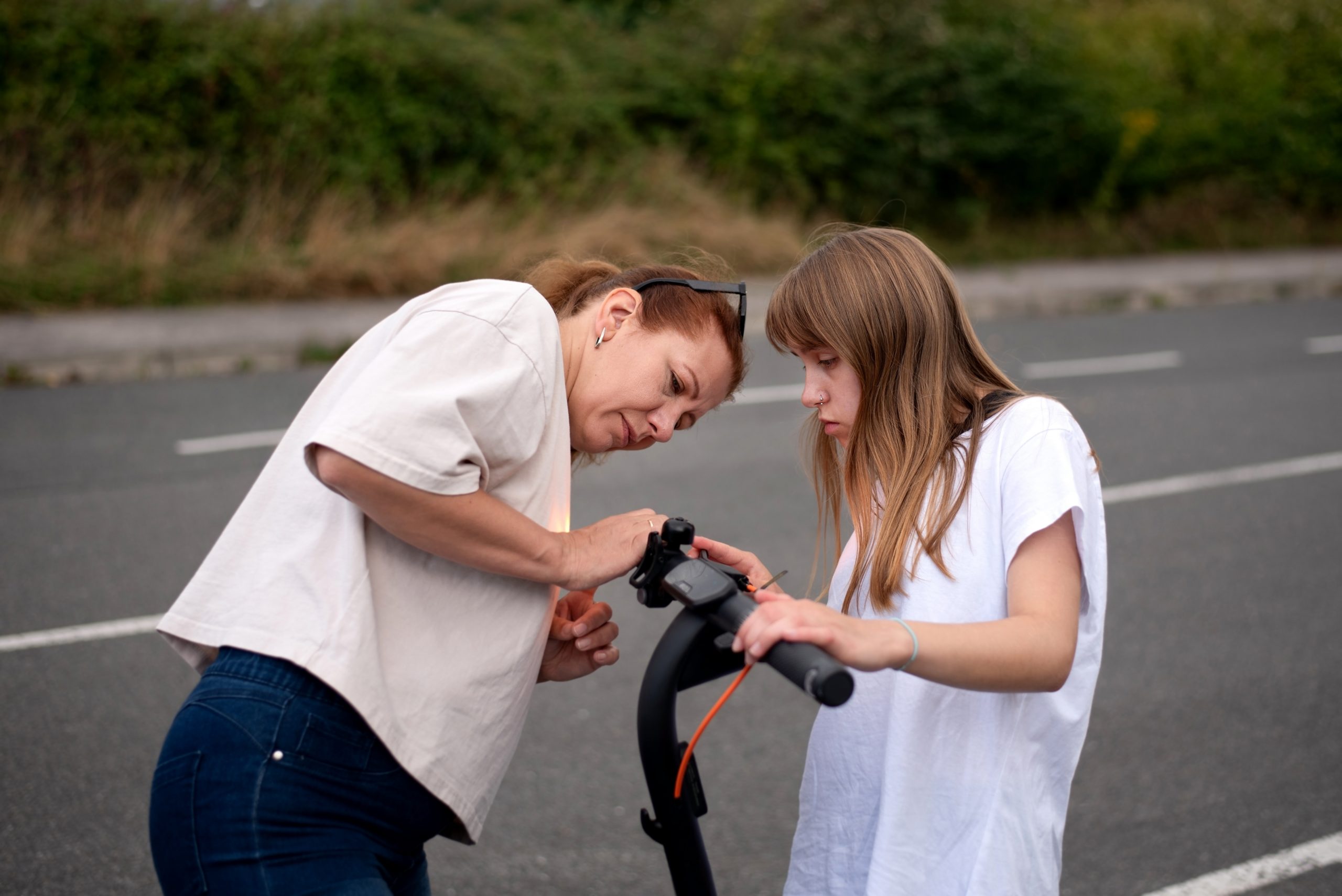
Regularly inspect devices for warning signs, including:
- Swelling or bulging
- Punctures or physical damage
- Overheating
- Discoloration
- Unusual noises (e.g., popping or hissing)
- Odors or smoke
If any of these signs are present:
- Stop using the device immediately
- Do not attempt to charge or repair it
Battery Disposal
Damaged or expired batteries should be recycled at an approved battery recycling facility. Do not dispose of lithium-ion batteries in regular trash.
For assistance, contact UA Environmental Health and Safety (EHS) at 205-248-5905 or submit a request through the UA EHS website.
exclamationEmergency Response
If a battery-related incident occurs:
- Evacuate immediately following established emergency procedures
- Call emergency services (911 or UAPD at 205-348-5454) once in a safe location
UL Certification
It is recommended that micromobility vehicles, lithium-ion batteries, and chargers are certified to meet applicable UL standards.
Recognized UL Standards:
Applicable safety standards include:
- UL 2849 – Electric bicycles (e-bikes)
- UL 2272 – Electric scooters, skateboards, and hoverboards
- UL 2271 – Lithium-ion batteries used in micromobility devices
Nationally Recognized Testing (NRTL) Certification:
Devices should display a valid certification mark from an approved NRTL, such as:
- UL
- ETL
- TÜV
- SGS
Batteries and Chargers
Associated batteries and chargers, including replacements, should also meet UL certification requirements.
For Assistance:
- Contact UA Environmental Health and Safety (EHS): 205-348-5905
- Or submit a request through the UA EHS website
Important Considerations:
- Early warning signs (smoke, heat, hissing) require immediate action.
- Lithium-ion battery fires can escalate rapidly.
- There is a risk of reignition even after extinguishment.
References:
Micromobility Policy
Parking Services Micromobility and Device Registration
UAPD Micromobility Safety Guidance
Facility Fire Safety Policy: Storing and Utilizing Vehicles
HRC Community Living Standards: Storing and Utilizing Vehicles
Employee Handbook
Faculty Handbook
Student Code of Conduct
UL Standards